AgriCapitalism: A New Economic Philosophy for Africa’s Prosperity
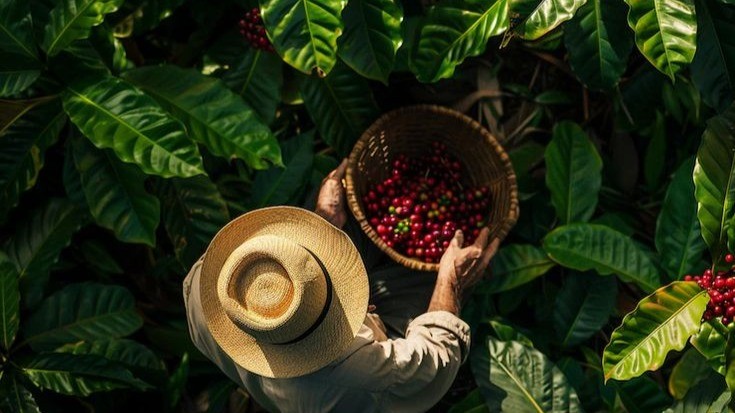
Africa is blessed with over 60% of the world’s uncultivated arable land, yet we spend billions of dollars importing the very food we can grow ourselves.
Nigeria alone, with its vast population and over 70 million hectares of arable land, spends more than ₦10 billion annually importing rice, wheat, and dairy products.
Meanwhile, young professionals — educated, connected, ambitious, and full of potential — have been boxed out of the agricultural conversation.
From elementary classrooms to the dean's office, the call to agriculture has been met with resounding silence. As a result, we graduate with multiple degrees and polished accents, yet remain unable to solve the puzzle of economic instability and widespread poverty ravaging our streets.
Every day, millions of African professionals wake up, hustle, and scroll through opportunities that do not serve them.
We chase financial returns in stocks we don’t control, work jobs that leave us soulless, and serve systems designed to keep us on our knees — all while sitting on the most undervalued asset of our time: land.
To many, farming still feels like a poor man’s hustle. The majority of us don’t even want to hear about it — but this thinking is a massive and costly miscalculation.
We call farming primitive, yet the very nations we idolize have built their strength on it.
• The United States — one of the most industrialized countries in the world — has over 2 million farms, and the agricultural sector contributes more than $1 trillion to its economy annually.
• In the Netherlands, a country 22 times smaller than Nigeria, agriculture accounts for over $100 billion in exports yearly, making it the second-largest agricultural exporter globally, right after the U.S.
• Even in the UK, nearly 70% of land is used for agriculture, and farming is heavily supported with subsidies and innovation.
These nations treat agriculture not as a relic of the past, but as a pillar of national power.
We have the youngest population on earth and arguably some of the best climate conditions in the world, yet we keep chasing one overhyped trend after another — searching for prosperity with clenched fists and blind eyes.
Yes, it’s true — Africa has the youngest population on earth, and Nigeria is leading that charge.
Over 60% of Africa’s population is under 25, and Nigeria alone boasts over 70% of its citizens under 30, with a median age of just 18.1 years. Combine that with some of the most fertile soil and favourable climate conditions in the world, and we’re sitting on a goldmine of untapped potential.
This is what economists call a demographic dividend — but instead of building systems to harness it, we’re busy chasing trends built on someone else’s foundation.
Africa has shown the world that you can live in the ocean and still not be wet.
The real problem is not lack of resources — it’s a disconnect between capital and cultivation.
What if agriculture wasn't just a sector for rural subsistence, but a strategic pathway to build wealth, generate jobs, stabilize our currency, and restore national pride?
What if professionals stopped viewing agriculture through the dusty lens of the past and began to see it through a new economic lens — one where capital meets cultivation with a vision for sovereignty?
This is where AgriCapitalism begins.
Would love to have you aboard!

Discover the treasures beneath your feet, and start building your agribusiness today.

If this challenged your perspective, share this with someone who needs to read it. Let’s talk about the real strategies for building transgenerational wealth in Africa — not just theories.