AgriCapitalism: A New Path to Wealth for Nigeria’s Rising Professionals
Throughout history, we’ve seen booms and busts — from the industrial revolution to the digital age, from oil wealth to tech waves. Every era brought with it a promise of prosperity and a shift in how wealth was created.
In the 18th and 19th centuries, the Industrial Revolution redefined economies.
Nations that mastered machinery, steam power, and manufacturing soared to global dominance. Wealth became tied to factories, labor, and steel.
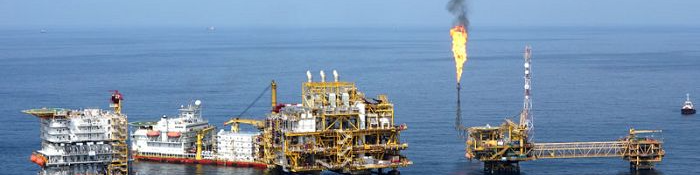
Then came the 20th century, with oil strikes turning deserts into empires. Countries like Saudi Arabia, the UAE, and — closer to home — Nigeria, rode the wave of petroleum wealth.
For Nigeria, the discovery of oil in Oloibiri, Bayelsa State, in 1956, and the subsequent export boom in the 1970s, marked a turning point in the nation’s economic story.
By the early 1970s, Nigeria became Africa’s largest oil producer, joining OPEC in 1971. The global oil crisis of 1973 sent oil prices soaring, and Nigeria — with rising production — was among the major beneficiaries. Revenue surged, and the naira became one of the strongest currencies in the world, exchanging at ₦0.62 to $1 USD in 1980.
The boom funded infrastructure, scholarships, foreign reserves, and a massive increase in public sector jobs.
Lagos became a regional hub for finance and trade, and Nigerians could afford to study abroad and import luxury goods with ease. It felt like a golden era.
But then came the cracks beneath the surface.
Flush with petrodollars, Nigeria abandoned agriculture — the very foundation of its early economy. Cocoa from the West, groundnuts from the North, palm oil from the East, and rubber from the South — all declined as national focus shifted entirely to crude oil.
By the mid-1980s, the global oil market crashed. Prices plummeted. Nigeria, unprepared and over-reliant on oil, spiraled into a debt crisis.
The once-strong naira devalued rapidly, and by 1990, it had dropped to ₦8 to $1, eventually plunging into triple digits by the 2000s.
The economic shock forced the government to adopt Structural Adjustment Programs (SAPs) under the IMF and World Bank — policies that led to austerity, public outcry, and further instability.
And so, the wealth that once elevated Nigeria to the top of Africa’s economic food chain became a trap. The country neglected its diversified roots and became overly dependent on a volatile commodity — crude oil.
The Forgotten Goldmine
In 1956, when oil was discovered in Oloibiri, Bayelsa State, Nigeria found itself sitting atop one of the world’s "most valuable resources" at the time - oil.
The 1970s brought the oil boom. Prices soared, and Nigeria’s oil wealth skyrocketed. The naira (our naira) became one of the strongest currencies in the world, and Nigeria went from being a largely agrarian economy to an oil-driven powerhouse.
Seeing such transformation, people began to believe that oil was the future, and agriculture was sidelined. After all, why grow crops when oil -"black gold"- could fund everything?
In those years, Nigeria’s cities expanded, wealth was concentrated, and agriculture — once the backbone of the economy — began to fade into the background.
But what followed.
The collapse.
When oil prices dropped in the 1980s, Nigeria found itself unprepared. What once seemed like an endless ride upward was now spiraling downward at full speed.
The country had become overly reliant on one resource — oil — and failed to diversify.
The economy had become too dependent on an ever-fluctuating global market.
And by the 1990s, Nigeria - "Giant of Africa" - was facing massive debt, inflation, and unemployment, challenges that still plague us to this very moment.
The naira, once strong, began to crumble.
Agriculture as the Key to Nigeria's Future
Now, imagine if we had not abandoned agriculture.
Imagine if the wealth that came from oil had been used to invest in building a diversified economy, one that empowered local farmers, developed infrastructure for food processing, and built industries around locally grown produce.
If we had maintained the value of agriculture alongside our oil wealth, we wouldn’t be facing the economic instability that we are today. We would be a powerhouse not only in oil but in value-added agricultural exports, processed foods, and sustainable farming practices.
Take Brazil, for instance.
Like Nigeria, Brazil is rich in oil and natural resources. But unlike us, they didn’t abandon agriculture when oil wealth came. Instead, Brazil strategically invested in agricultural innovation, food processing, and exports — transforming their economy into one of the world’s top agricultural giants.
Brazil’s agricultural sector contributes about 20% to its GDP, slightly lower than Nigeria’s 25–30%. But here’s the difference — Brazil makes far more money per hectare because they’ve built value chains around their produce.
Despite Nigeria having more arable land than Brazil — with over 34 million hectares compared to Brazil’s 30 million hectares of cropland — Brazil earns tens of billions of dollars more from agriculture annually. Why?
Because they process, package, and export — not just farm. Their soybeans become oil and livestock feed. Their sugarcane becomes ethanol. Their coffee is globally branded. Their beef is packaged and exported.
While we -Nigerians- are watching with binoculars and Instagram feeds, scrolling day and night with our eyes open and stomach hungry.
Now is the time to consider a different approach.
We still have the chance to reclaim our future by returning to the land.
We stand at the precipice of an agricultural renaissance — one that can heal the wounds of past mismanagement, build wealth that stays in our communities, strengthen our currency, and revitalize the economy.
AgriCapitalism: Where Agriculture Meets Wealth Creation
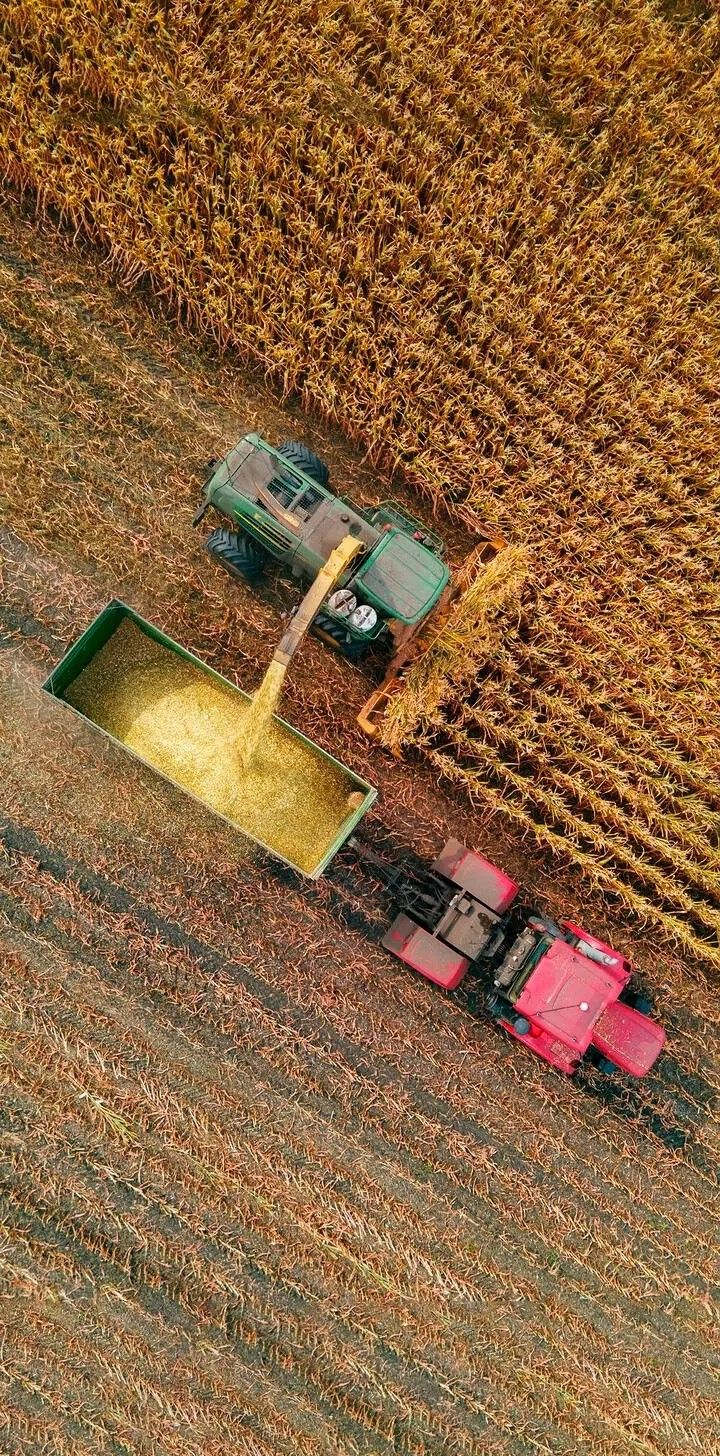
AgriCapitalism is the strategic fusion of agriculture and capitalism — a model where farming is not just a survival activity but a deliberate economic engine. It redefines agriculture as a tool for building capital, driving innovation, and creating generational wealth.
In the age of oil, tech, and digital disruption, agriculture has often been sidelined in national economic planning. Yet across the globe, nations that have embraced AgriCapitalism — such as the Netherlands, Brazil, and Israel — have turned soil into sovereign power, and farms into billion-dollar industries.
Why It Matters
Nigeria sits on over 70 million hectares of arable land, but less than half is cultivated. With a population projected to reach 400 million by 2050, the need to produce what we eat and export what we grow has never been more urgent.
AgriCapitalism is not about subsistence. It is about building agro-industrial value chains — from cultivation to processing, packaging to export — that generate profit, jobs, and foreign exchange
It empowers rural communities, reduces urban migration, and stabilizes economies by building resilience against global market shocks (like oil price crashes).
Most importantly, AgriCapitalism gives everyday Nigerians a chance to own a piece of the food economy — whether through land banking, cooperative farming, agro-processing businesses, or investment in farm-to-market logistics
Why Young Professionals Must Enter the Sector Now
You’re in your prime.
You have energy, access to information, and the ability to take calculated risks.
But more importantly, you still have time on your side.
The truth is: most of the people who are dominating agriculture today didn’t wait to become millionaires.
They entered when land was cheap, when nobody was looking, and when returns weren’t trending on Instagram.
Now their names are on the supply chains you depend on.
If you're in your 20s or 30s, you have an advantage most billionaires wish they could buy back: early entry.
Here’s why now matters:
1. Land Is Still Accessible (But Not for Long)
The same farmland you ignore today for ₦500,000 will soon be ₦3 million — and it won’t be available to you anymore.
Foreign investors, large-scale processors, and industrial developers are already quietly buying out thousands of hectares across Nigeria.
Land is like Bitcoin in 2012 — silent, undervalued, and ridiculously powerful.
2. You Can Leverage Other People’s Skills
You don’t have to be a farmer.
You just need to be an investor with foresight.
There are cooperatives, managed farm projects, land developers, and agri-tech platforms that handle the hard work. You bring capital, they bring systems, and you both share profit.
This is how smart professionals multiply income without multiplying stress.
3. Food Will Always Be in Demand
Let that sink in:
Recession or not, war or not, elections or not — people must eat.
And those who control the food supply control predictable cash flow, regardless of economic instability.
No trending hustle can offer you that kind of security.
4. You’re Building Real Assets, Not Hype
Tech can crash. Crypto can wipe out.
But land? Land doesn’t go offline.
Agriculture may not be glamorous today — but it’s timeless.
Every plot, every season, every product you invest in is a step toward sustainable wealth.
So, I ask you reading this:
You have the drive, you have the capital (or access to it), and you’ve seen what’s possible.
Why wait until the price is out of reach?
Why keep building wealth for landlords and food importers, when you could be building yours — in cash crops and capital gains?
The next generation of African millionaires won’t just be tech bros or forex gurus.
They’ll be the ones who quietly took position in systems the world can’t live without.
And agriculture will be at the center of it all.
Final words
The truth is — some people will read this and still do nothing.
They’ll go back to chasing crowded markets.
They’ll keep saying, “Agriculture is good, but…”
They’ll wait until land becomes unaffordable.
Until agri-exports are dominated by foreign companies.
Until they realize they’ve spent 10 years growing income, but not assets.
But a few…
A few will pause. Think. Re-evaluate.
And they will act — not out of hype, but out of conviction.
Because they see something different now:
That the land they once overlooked could be the very foundation of their legacy.
And when the dust settles, those who understood AgriCapitalism early…
Won’t just eat from the land — they’ll own the system that feeds nations.

Feeling inspired? Get The Ground Beneath Your Hustle today

If this challenged your perspective, share this with someone who needs to read it. Let’s talk about the real strategies for building transgenerational wealth in Africa — not just theories.
