Entrepreneurship in Agriculture - Think Like a CEO, Farm Like a Boss
July 30, 2025
When you hear the word agriculture, what image comes to mind?
For many, it’s a struggling farmer, hunched over in the sun with a hoe, battling weather, pests, and poverty.
But here’s the truth: this image is not only outdated—it’s dangerously misleading.
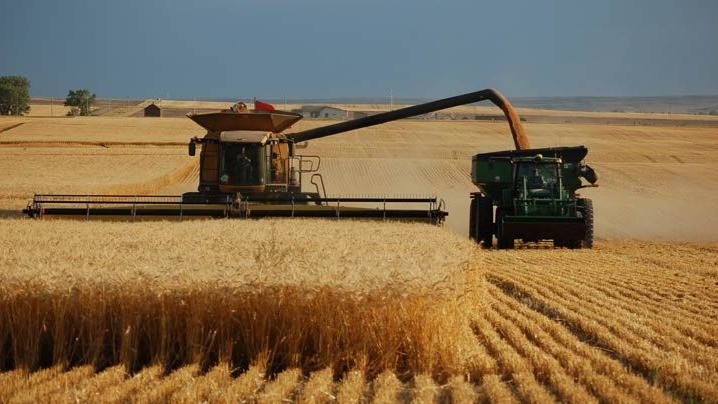
Today, agriculture is one of the most structured, profitable, and strategic sectors globally.
Agriculture is the backbone of more than one-third of global employment - representing over 1.2 billion people worldwide - and the engine behind industries like food processing, textiles, cosmetics, pharmaceuticals, packaging, logistics, manufacturing, and even energy.
In fact, Bill Gates (cofounder, Microsoft)—one of the richest men on earth—is now the largest private farmland owner in the United States, with over 275,000 acres under his control.
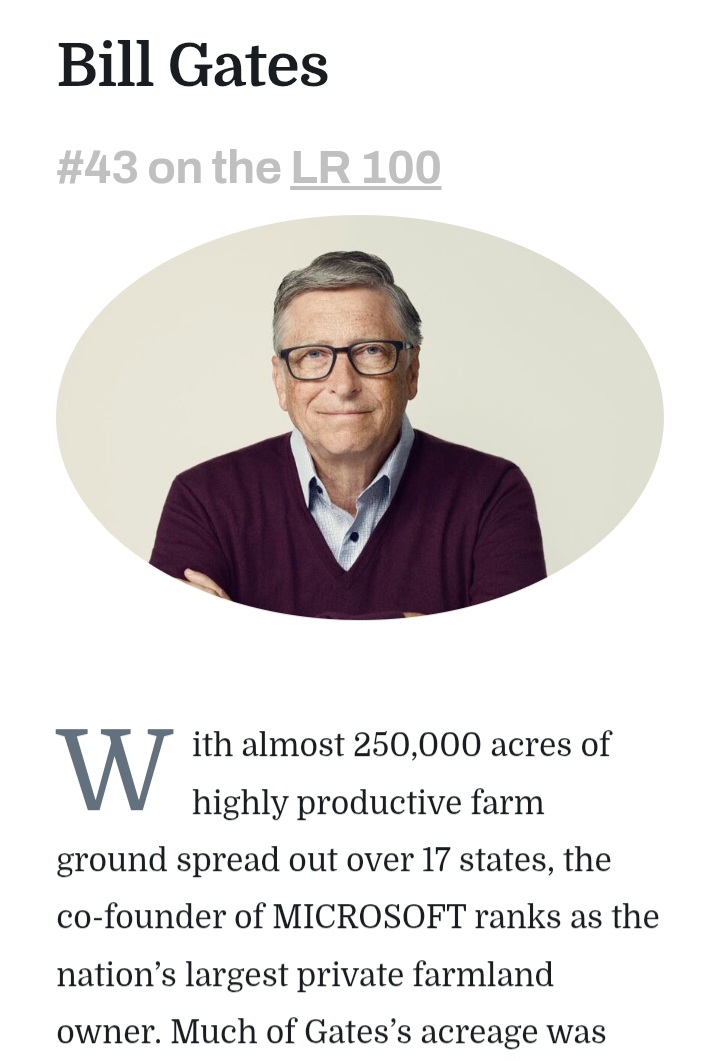
Why? Because he understands what most of us don’t: farmland is wealth.
Agriculture, when approached with the right mindset, is not charity. It is serious business.
Across Africa, and especially in Nigeria, we’re sitting on billions worth of agricultural potential—yet we keep treating it as a “fallback plan” for the uneducated or unemployed.
But look closely at the data, and you’ll find that well-structured farms now have CFOs, marketing departments, operational plans, financial models, and even investor reports.
The farm is no longer just a place of labor; it’s an enterprise.
It’s a company. It has revenue, costs, profit and loss, balance sheets, strategic direction, and even corporate goals.
All we need is the right mindset.
Until we begin to see agriculture through the lens of entrepreneurship, we will continue to hand over our food security, wealth, and jobs to others.
In this article, I want to help you flip the script. You’ll see agriculture not just as a tool for survival, but as a scalable, investable, and export-worthy business.
You’ll see how it mirrors every other industry in administration, finance, marketing, and growth. And you’ll understand that the first seed you must plant… is a business mindset.

What Is a Business?
At its core, a business is any organized activity where goods or services are produced, sold, or distributed for profit.
It involves planning, resource management, financial tracking, risk assessment, and growth strategies.
Whether it’s a tech startup in Lagos, a fashion house in Paris, or a rice farm in Delta State, the fundamental components remain the same.
A business typically has:
- A value proposition (What are you offering?)
- A target market (Who needs it?)
- A production or delivery system (How do you provide it?)
- A revenue model (How do you make money?)
- Operational structure (Who runs what?)
- Financial accountability (What’s your income, expenses, and profit?)
Now let’s relate that to agriculture:
- Value Proposition → Healthy, affordable food or raw materials
- Target Market → Households, food processors, exporters, retailers
- Delivery System → Farming operations, processing, packaging, logistics
- Revenue Model → Direct sales, contract farming, produce aggregation
- Operational Structure → Farm managers, laborers, administrators
- Financials → Budgets, capital investment, input costs, net profit
When you look at it this way, a farm isn’t “just a farm”—it’s a full-fledged business with inputs, outputs, markets, staff, risk, and reward.
The only reason many farms don’t look like businesses is because they aren’t treated or managed like one.
But when structure is applied—just like in any other sector—profitability becomes measurable, scalability becomes possible, and sustainability becomes inevitable.

Think like a CEO
Running a farm isn’t just about planting seeds—it’s about building systems, managing risks, and creating long-term value. And that means you must think like a CEO.
Thinking like a CEO matters because it changes the entire narrative—from trial and error to purpose and precision.
When you adopt a CEO mindset, you stop reacting to challenges and start anticipating them. You set goals, measure progress, and make informed decisions.
This mindset brings structure to chaos, clarity to confusion, and direction to effort.
It turns your farm from a survival tool into a scalable enterprise—and that’s the difference between seasonal hustle and sustained success.
Before any serious CEO launches a new product or expands into a market, they do five critical things:
1. Research the Market
What are the trends in food demand? What crops or livestock are most profitable in your climate and region? Who are the buyers—local markets, processors, exporters?
Tip: Don’t just plant what’s common—plant what is demanded.
2. Conduct Due Diligence
What are the startup costs? What licenses or land documents are required? What’s the realistic yield per hectare? CEOs don’t guess.
They gather data, talk to experts, and weigh the facts.
3. Strategic Planning
Where do you want the business to be in 3–5 years? What’s your production target? When do you break even?
Whether it’s cassava, poultry, or fish farming, you need a roadmap, not a random hustle.
4. Risk Management
Weather changes, pest outbreaks, input shortages—agriculture has risks. But CEOs prepare.
They insure, diversify, use storage systems, and build buffers into their business plans.
5. Partnerships and Collaboration
A CEO doesn’t work alone. They leverage others—aggregators, processors, agro-consultants, cooperative societies, business partners, financiers, even tech firms.
There’s no need to do everything by yourself. In agribusiness, collaboration is currency.
So before you jump into farming, pause and plan. Don’t just act like a farmer—think like a founder. Build structure. Get systems. Grow smart.
That way, you don’t just avoid failure—you position yourself for sustainable success.
Most people fail in agriculture not because the soil was bad or the rain didn’t fall, but because they didn’t approach it like a business.
With the right mindset, tools, and partnerships, you won’t just survive—you’ll scale.
Because the truth is:
If you think like a CEO… you’ll farm like a boss.
And when you farm like a boss… you’ll harvest like a king.
Farming isn’t for the desperate. It’s for the deliberate.
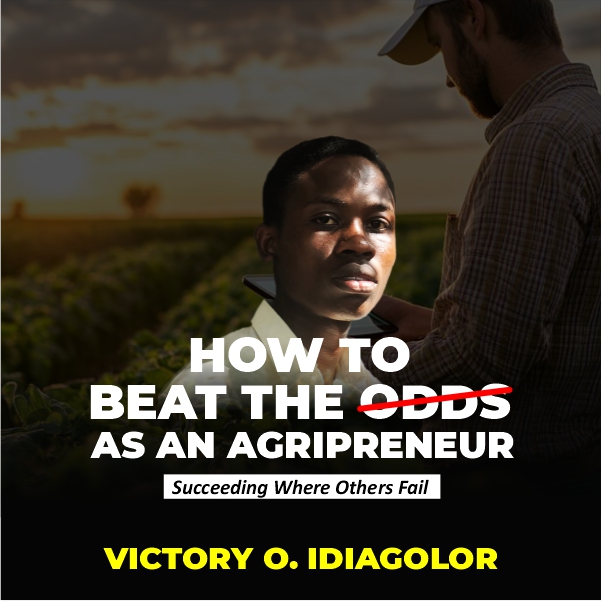
Discover valuable ideas from the book: How to Beat the Odds as an Agripreneur: Succeeding Where Others Fail, and start your journey to agribusiness success today.

If this challenged your perspective, share this with someone who needs to read it. Let’s talk about the real strategies for building transgenerational wealth in Africa — not just theories.