Hidden Truth in Plain Sight– What the Nigerian Professional Needs to Know
What If I Told You There’s a Possibility You’re Not Considering?
What if everything you’ve worked hard for—your degrees, your promotions, your discipline—was pointing you in the right direction, but preparing you for the wrong destination?
What if wealth isn't just built in boardrooms and bank accounts... but also in something far rewarding to both the individual and the society at large?
We live in a society where effort is praised, but outcomes often fail expectations. Where long hours and diligent work define success—until retirement knocks and health fades, time shrinks, and legacies remain unstructured.
Here's an uncomfortable truth: many brilliant professionals are building castles on foundations that won’t last beyond a paycheck or pension.
The Illusion of Success
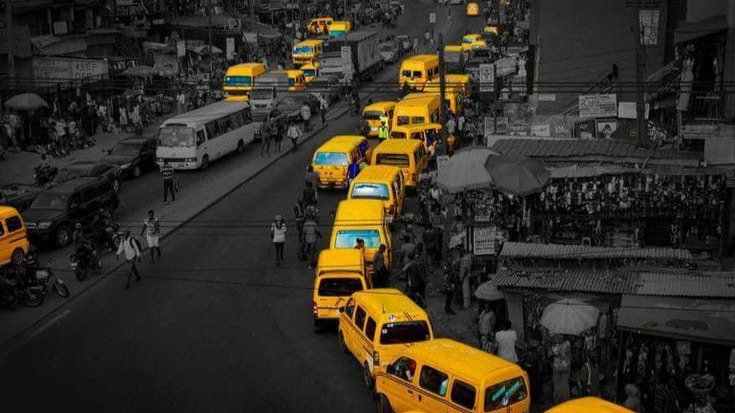
In today’s professional world, especially in bustling cities like Lagos, Abuja, or Port Harcourt, there’s a silent script most of us follow:
Get educated → Get a good job → Climb the ladder → Acquire a house → Drive a decent car → Invest in stocks or crypto → Pray for a soft landing at retirement.
It sounds reasonable — even successful.
But what if I told you this script, while popular, is missing something critical?
The Hard Truth Behind Retirement: Too Little Time, Too Many Health Challenges
Millions of Nigerians spend decades working tirelessly-often sacrificing weekends, passions, and health-driven by the promise that retirement will be their reward. But for many, this promise turns into regret.
Retirement ≠ Reward — It’s Often Regret
• Average life expectancy in Nigeria is only 54-61 years.
• However, pension payouts typically don't begin until 63-65, meaning many retirees receive no benefit before they pass away.
• Worse still, Africans spend an average of 10 years in poor health -often before retirement even begins-suffering from chronic illnesses with insufficient financial coverage.
The result? People retire with high hopes, only to be met with:
• Severe health challenges before they can enjoy benefits
• Shorter lifespans post-retirement
• Delayed or insufficient pension support, with many still waiting on payout after 30 years of service.
Here's more:
• Years of missing out on rest, family time, and passion pursuits
• Health expenses devolving into financial drain
• Lost opportunities- those decades of saving could've been used to build parallel income streams that offer both time and financial freedom.
What if the real road to lasting wealth, stability, and legacy lies not ahead of us, but beneath us — in the very land we already have, yet neglected?
The Hidden Truth Most Professionals Miss: A Formidable Legacy
We often associate wealth with a thriving business, a crypto spike, or a stock boom — yet most professionals retire with little to no reliable platform to build on, and no legacy to pass on.
We equate wealth with a booming business, a crypto surge, or a lucky run on the stock market — yet one asset has consistently stood the test of time: Land (the right utilization of it for wealth creation)
Land is one of the oldest investment classes in existence, which in many cases has produced significant wealth over generations.
It has been the foundation for great manifestations and the backbone for the most formidable legacies.
Land is more powerful than a “business”, because while every business is threatened by competition, land is the only asset that doesn’t lose value in the midst of competition.
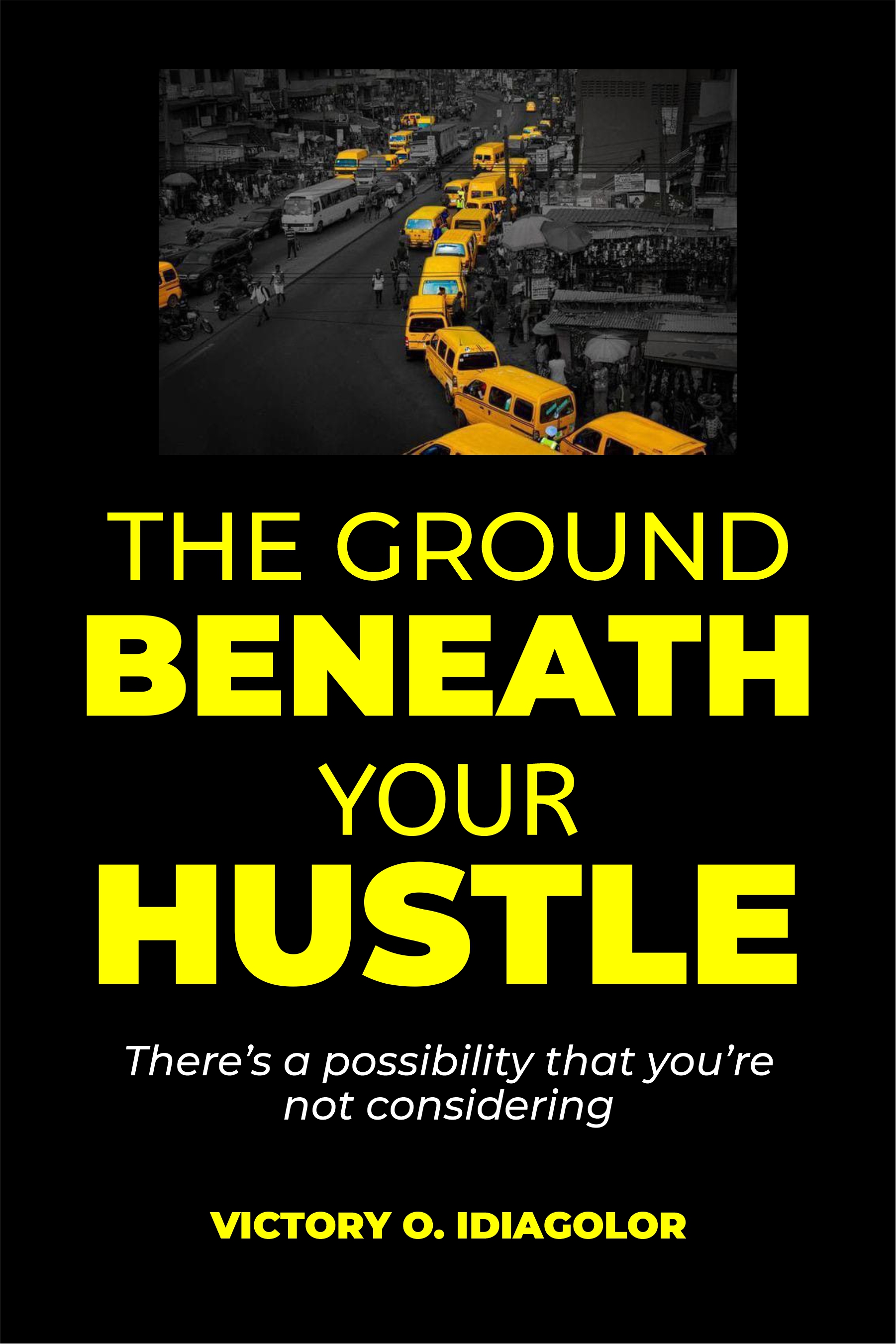
The most valuable thing about land is the flexibility of its use – meaning, you can build, plant, harvest or even resell and lease at will. It is one of the few assets that have that capacity. (See more about the value of land in my book: The Ground Beneath Your Hustle
While I could keep emphasising the value of land, the right utilization of same, for food production, and manufacturing of agro-byproducts holds more value for both the Nigerian professional, our local community, and the overall Nigerian economy.
A Formidable Legacy: The Productive Use of Land
While many professionals strive to build a life of comfort, career recognition, and eventual retirement, the script often overlooks one of the most potent instruments of generational legacy—land. Not just land as a dormant asset, but land intentionally utilized for food production and the manufacturing of agro-byproducts.
This isn't about buying land and waiting for it to appreciate. It's about activating land—turning it into a hub of productivity, sustenance, and scalable enterprise.
A properly utilized hectare can feed communities, power agribusinesses, and birth wealth systems that outlive the original investor.
In a nation like Nigeria, where food inflation averaged 30.6% in 2024 (NBS), and over 70% of processed food inputs are imported, the professional who channels resources into agricultural production is not just investing—they’re preserving health, sovereignty, and generational security.
Additional truths
Legacy isn’t built in what you leave behind alone, but in what you set in motion. And there's no more sustainable motion than farmland converted to structured food systems and agro-industrial pipelines.
Let’s face a few uncomfortable truths:
• Food inflation is rising. The average Nigerian household spends 50%–60% of its income on food. That’s not just a stat — it’s a red flag.
• Fertilizer dependency is dangerous. Most commercial farming systems are backed with fertilizers for improved production, thereby negatively impacting our health as we grow older.
• Urban investments are saturated. Land in major cities is now overpriced and overhyped. Yet rural farmlands remain undervalued and underutilized — sleeping gold.
The hidden truth in plain sight is active engagement in agriculture, not just as hard labor — but agro-investment: owning productive land, building food systems, and tapping into the most recession-proof and inflation-resistant asset of our time.
Sustainable Wealth Isn’t Always Flashy — It’s Rooted
The true wealthy — the kind who pass down wealth for three to five generations — know this:
"Wealth is not just earned. It’s positioned. It’s planted."
Farmland doesn’t just preserve value — it multiplies it:
• It grows income (season after season)
• It hedges inflation (food value rises with inflation)
• It supports diversification (you don’t have to farm it yourself to earn)
• It creates employment
• It sustains families
• And most importantly: it builds legacy.
The average Nigerian professional is on a never-ending treadmill — deadlines, board meetings, KPIs, and fleeting moments of rest. Yet missing the one thing upon which sustainable wealth is built - Land.
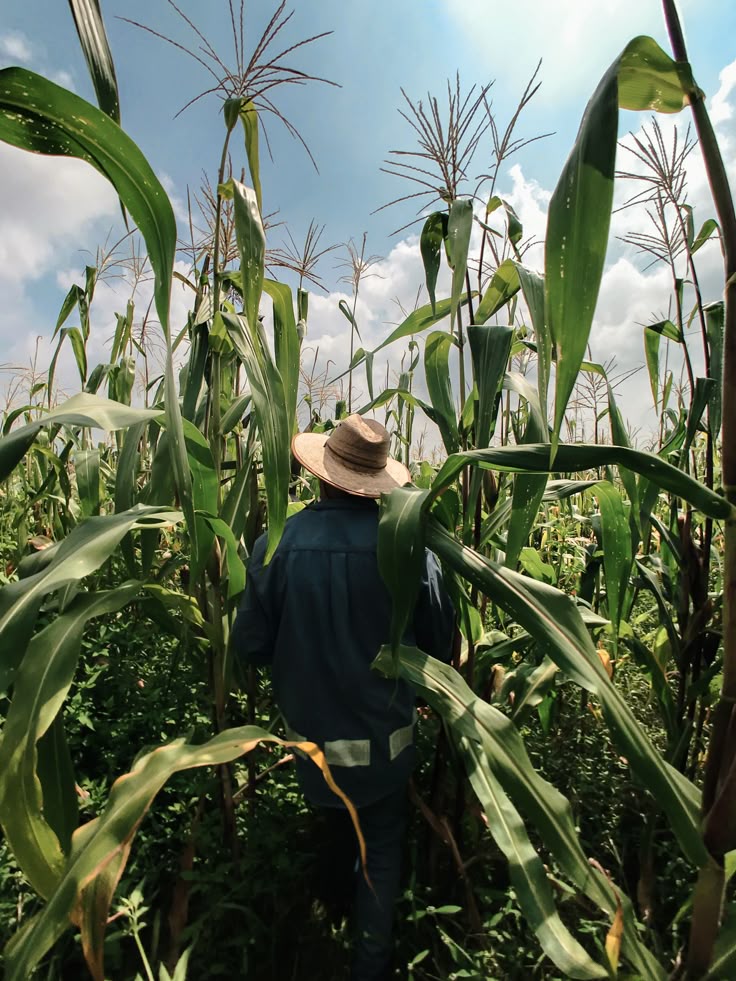
In the pursuit of success, we often place all our bets on titles and bank balances, forgetting that real wealth — the kind that grows even when you're asleep or retired — is rooted, quite literally, in the soil.
A Call For Young Nigerian Professionals
Imagine this: while you climb the career ladder, you also carve out time to acquire fertile land — not in some overdeveloped city centre, but in emerging agro-zones with long-term potential. You start a small cassava farm or a palm oil project, perhaps on weekends, or through a trusted cooperative. It's not a full-time job; it’s a part-time vision. A smart, quiet hedge against inflation, food insecurity, and burnout.
Now fast forward to retirement.
You’re not dependent on a pension or past savings alone. Your land appreciates. Your farm produces. Your agro-allied venture — once a hobby — becomes a stream of cash flow, purpose, and perhaps employment for others. That single farmland you started in your 30s or 40s becomes the seed for generational sustenance.
And what if millions of Nigerian professionals embraced this model?
We’d not only see personal wealth grow more sustainably — we’d watch Nigeria’s food production rise, imports drop, and agro-based industries thrive. A movement like this could change everything from rural employment to national GDP.
Because while stock markets fluctuate and salaries rise and fall, land — especially cultivated land — remains steady, loyal, and deeply rewarding.
The Netherlands vs. Nigeria: A Brutal Reality Check
The Netherlands — a country smaller than Niger State — is the second-largest agricultural exporter in the world.
Nigeria — with 70 million hectares of arable land — still imports wheat, rice, and even tomatoes.
Why?
Because while they treat land as a system, we treat it as a status symbol.
Because while they see soil as capital, we see it as bush.
The Road Beyond: A New Kind of Wealth Thinking
If you’re a professional, executive, or business owner reading this — here’s what you must internalize:
"True wealth is productive, not passive."
You must move from:
Consumption → Creation
Speculation → Stewardship
Your salary, your business, your property are all important. But ask yourself:
"What are you planting for the future?"
Final Thoughts: This Isn’t Just About Investment — It’s About Stewardship
We’re not just called to work hard. We’re called to build.
Build systems. Build legacy. Build sustainable wealth.
The road beyond the office, beyond the flashy lifestyle, beyond market trends — leads back to the land.
The question is:
Will you wait until food becomes luxury before you realize the truth was always in plain sight, or will you seize the opportunity of strength and resources to start your journey to building a formidable legacy?
Author's Desk
If this challenged your perspective, share this with someone who needs to read it. Let’s talk about the real strategies for building transgenerational wealth in Africa — not just theories.
Ready to Explore This Possibility?
🔗 Get the book: The Ground Beneath Your Hustle

If this challenged your perspective, share this with someone who needs to read it. Let’s talk about the real strategies for building transgenerational wealth in Africa — not just theories.
