The Economy Needs You Rooted: Why the Liberation of Nigeria Begins with Farmland Ownership
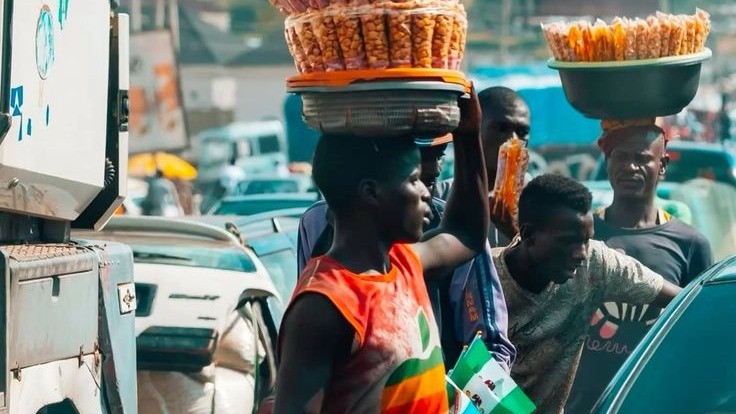
Nigeria is in crisis. Not a temporary dip, but a systemic economic rot.
As of 2024:
• Over 63% of Nigerians live in multidimensional poverty (NBS).
• Our food import bill is over ₦2.4 trillion yearly, despite abundant arable land
• Inflation sits above 30%, with food inflation reaching over 40%, wiping out the value of salaries and savings.
• The Naira continues to fall, foreign reserves are strained, and more professionals are either fleeing or burning out.
But the scariest part isn’t these numbers. It’s that we’ve normalized them.
We’re working hard — grinding in boardrooms, building startups, sending proposals, hitting KPIs, and chasing funding rounds — yet most Nigerian professionals remain strangled by the weight of a struggling economy.
Why We Need to Rethink Wealth
The Nigerian professional is one of the most under-celebrated powerhouses in Africa. According to PwC, over 40% of Nigerian graduates enter the informal sector or private employment, pushing themselves daily just to make ends meet in a fragile economy.
Nigeria has over 60 million working-age professionals, many of them young, brilliant, and resilient.
Everyday, Millions of young Nigerians wake-up to hustle, sweat, and repeat - but only a few can hit their chest in certainty that they are actually moving forward.
We are building startups, running companies, teaching classes, closing sales, pitching ideas — and surviving.
But we’re not producing enough.
The average Nigerian can barely survive from the proceeds of the everyday hustle - the price of things in the market is flying higher than the super eagles. Inflation is no longer just a number in a report; but a ghost that haunts our market list, bank balance, and future plans.
We save in Naira, invest in crypto, and pray the next election cycle doesn’t wipe out our progress.
We need to rethink wealth!
Our economy doesn’t suffer from a lack of talent — it suffers from a lack of productivity, especially in the most vital sector: agriculture
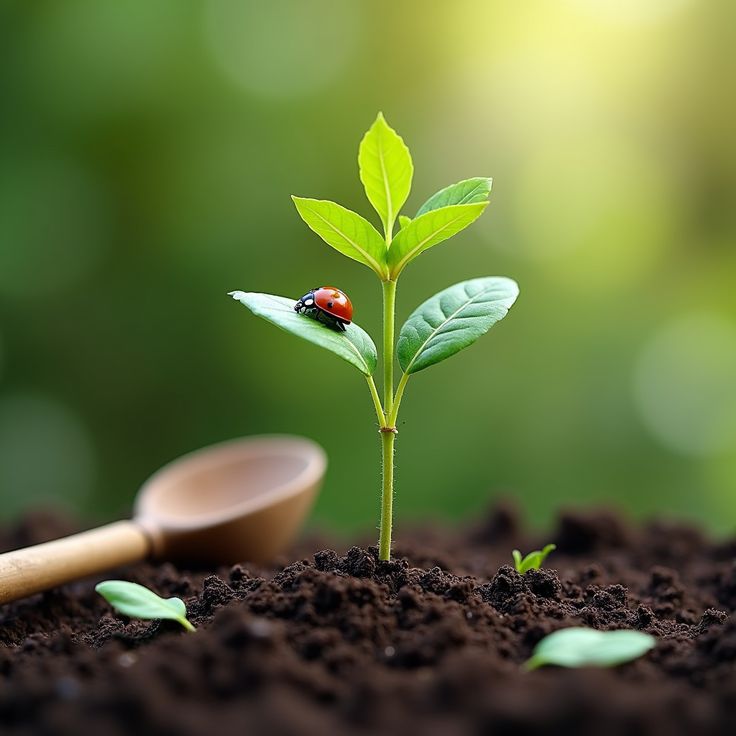
It’s Time to Reroute the Hustle — to the Soil
Here’s the uncomfortable truth:
If we don’t take ownership of what feeds us, we’ll always remain at the mercy of those who do — forfeiting our financial security to the well-packaged imports we’ve come to depend on for survival.
The Nigerian professional needs to realize that true wealth isn’t flashy — it’s foundational.
And nothing is more foundational than owning land that feeds you and generations to come.
It’s time for young Nigerian professionals to go beyond careers and begin cultivating capacity — literally.
We need to start owning productive land, and engaging in agro-based ventures — not as full-time farmers, but as strategic investors, stakeholders and visionaries, not because we can, but because the economy needs us rooted.
Farmland Isn’t a Retirement Dream — It’s a Now Strategy
Let me ask you:
• What if instead of just buying another iPhone, you bought a plot of fertile land?
• What if every bonus you got wasn’t just spent, but planted?
• What if your “side hustle” was actually a side harvest?
Because farmland isn’t just about crops — it’s about ownership, economic leverage, health, food security, and legacy.
Imagine the Possibilities…
You’re 35. Still working a 9–5. But you’ve quietly acquired 3 hectares of farmland through a well-structured plan.
You still have your job (if you want to), but every season, your land is producing food. You're generating passive income, while the land itself appreciates. In 10 years, you haven’t just built a career — you’ve built an empire.
Your children?
They’re learning discipline, patience, and the value of process — not just consumption.
The economy?
It’s stronger because professionals like you have returned to the root — not just with hoes, but with vision and strategy.
Why Farmland Investing Is Not Just Smart — It’s a Duty
Farmland is not just an asset. It is:
• A source of passive income through leasing or crop production.
• A hedge against inflation — because food prices rise with inflation.
• A contributor to national GDP, food security, and employment.
• A tool to build family legacy and generational wealth.
If 1 million professionals in Nigeria invested in productive farmland, leased them out, or supported agri-projects…
• We would reduce our food import bills drastically.
• Our rural economies would come alive.
• Agro-processing and manufacturing would grow.
• Our children would inherit land, not just liabilities.
Imagine an Economy Where the Professionals Are Rooted
I'm not saying quit your job or drop your laptop for a hoe.
I'm saying:
Let's channel our earnings toward acquiring farmland. Plant as you earn. Root while you rise.
Own a piece of land. Start a small-scale agro venture. Partner with a trusted agricultural estate. Invest in a cooperative. Fund a food value chain. Build quietly, but strategically.
Our Productive Capacity Will Decide Our Economic Future
No nation thrives without feeding itself.
No economy grows without producing value.
And no generation builds wealth without ownership.
Nigeria will not rise on vibes.
It will rise when you and I — the thinkers, the workers, the hustlers — get rooted.
You Are the Root of Nigeria’s Economic Transformation
The economy doesn’t need more noise. It needs vision.
It needs you — not just in the boardroom, but also on the land.
Because when professionals take charge of food systems, value chains, and land ownership, we don’t just thrive — we build a future no recession can erase.
This Is a National Call, Not a Trend
We’ve protested. We’ve voted. We’ve complained. Now we must act.
Let farmland ownership become the new professional ambition.
Let agro-based investment be our new retirement plan.
Let food security become our collective legacy.
Because truly, the economy needs you rooted.

Ready to Explore This Possibility?
🔗 Get the book: The Ground Beneath Your Hustle

If this challenged your perspective, share this with someone who needs to read it. Let’s talk about the real strategies for building transgenerational wealth in Africa — not just theories.
