We Are Not Waiting: The AgriCapitalist Mindset

In the past ten years, food prices in Nigeria haven’t just risen — they’ve exploded, with an average annual increase of nearly 40%.
Today, a bag of rice that once cost ₦8,000 now sells for over ₦80,000.
Even the most basic items — yam, garri, tomatoes, and palm oil — are now considered luxuries in many Nigerian households.
But what’s really driving this crisis?
For years, Nigeria has remained overly dependent on food imports, leaving our economy at the mercy of foreign exchange rates, global inflation, and shifting border policies.
And we — the people — have hidden behind the same tired excuses: a weak agricultural value chain, underinvestment, corruption, poor storage and distribution systems, insecurity in many farming regions — and all the other headlines we’ve grown used to quoting.
The result?
A steadily rising cost of living that keeps food out of reach for millions of Nigerians.
Some may argue that this call is exaggerated. That we’re raising unnecessary alarms. But if speaking the truth about hunger, poverty, and neglect makes us radical—then let it be so.
This is not a poetic outcry. There is a national emergency, the cracks are widening beneath our feet, and no one is coming to fix them for us. So, before you dismiss this as another idealistic rant, consider the facts—brutal, unfiltered, and staring us in the face.
And have a rethink for all our sakes.
Additional facts:
In the same 10-year period, Nigeria’s population grew by more than 45 million people, increasing food demand by over 25%, while local agricultural production is still struggling to see the light of day.
We are a country with vast soil but empty plates. Rich in land, yet poor in food security. Blessed with manpower, yet burdened by dependency.
This paradox is not just unfortunate — it is a betrayal of our potential.
In these same years, billions of naira in supposed interventions, grants, and policy efforts were rolled out in the name of agriculture, yet they remain largely inaccessible to the real farmers on the ground?
And the worst part? We've waited.
We've waited for grants. We've waited for government reforms. We've waited for external investors. We've waited for foreign aid. We've waited for someone — anyone — to come and save us.
But how long will we wait?
We cannot keep waiting for interventions that never come.
We cannot rely on policies that sound good on paper but fail in execution.
If we must survive—if we must thrive—we must rise with a mindset that says: we will do it ourselves. Not out of pride, but out of necessity. Not with just noise, but with bold, deliberate actions that will transcend time and crystalize our names in the tabs of history.
This is no longer about agriculture as a profession—it is about agriculture as the only hope for our survival.
It is about agriculture as a path to sovereignty, and the heartbeat of a new economy we must build with our hands, our will, and our land.
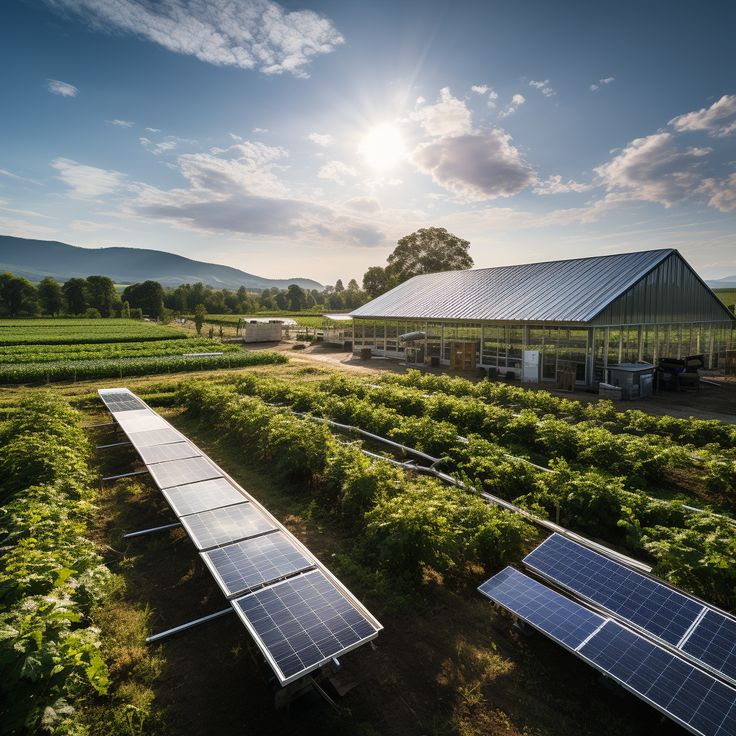
It is time for AgriCapitalism
We are not waiting. Not for government handouts. Not for foreign grants. Not for perfect policies or promised plans.
We are not waiting—because waiting has cost us harvests, stolen seasons, and deferred dreams.
We are not victims of broken systems— We are architects of a new one. A positive, progressive future!
If the roads don’t reach us, we will build paths. If the cold stores are too distant, we will preserve with knowledge.
If the banks overlook us, we will create our own systems of financing, because it is possible!
A generation of AgriCapitalist
This is an era of the true Nigerian:
A rising of minds that refuse to remain silent, because we know deep down that we're not powerless. We are not helpless, and we are not hopeless.
We are thinkers, builders, and doers.
And we will rise— with our tools, our land, our sweat, our ingenuity, and the unbreakable belief that we can feed our future. Because we can!
This is AgriCapitalism:
A movement born in the soil—with the conviction that we won’t beg to survive. We will build a fortress from what we have.
A system that starts where we stand, and with a vision that refuses to be subdued by empty promises.
This is your invitation to do more than just wait and protest — let’s build the future of food security together

Begin your first step toward AgriCapitalism with the right knowledge and resources today.
If this challenged your perspective, share this with someone who needs to read it. Let’s talk about the real strategies for building transgenerational wealth in Africa — not just theories.
